
If you're living with knee arthritis and looking for drug-free ways to manage daily discomfort, you've likely come across two popular options: cold laser therapy and TENS (transcutaneous electrical nerve stimulation). Cold laser therapy for knee arthritis uses medical low level laser energy — not generic light — to support the tissue and joint structures beneath the skin, while TENS works by interrupting pain signals through mild electrical current. This article breaks down exactly how each technology works, what the research suggests, what they cost, and how to decide which fits your home pain management plan.
How Cold Laser Therapy Works for Knee Arthritis?
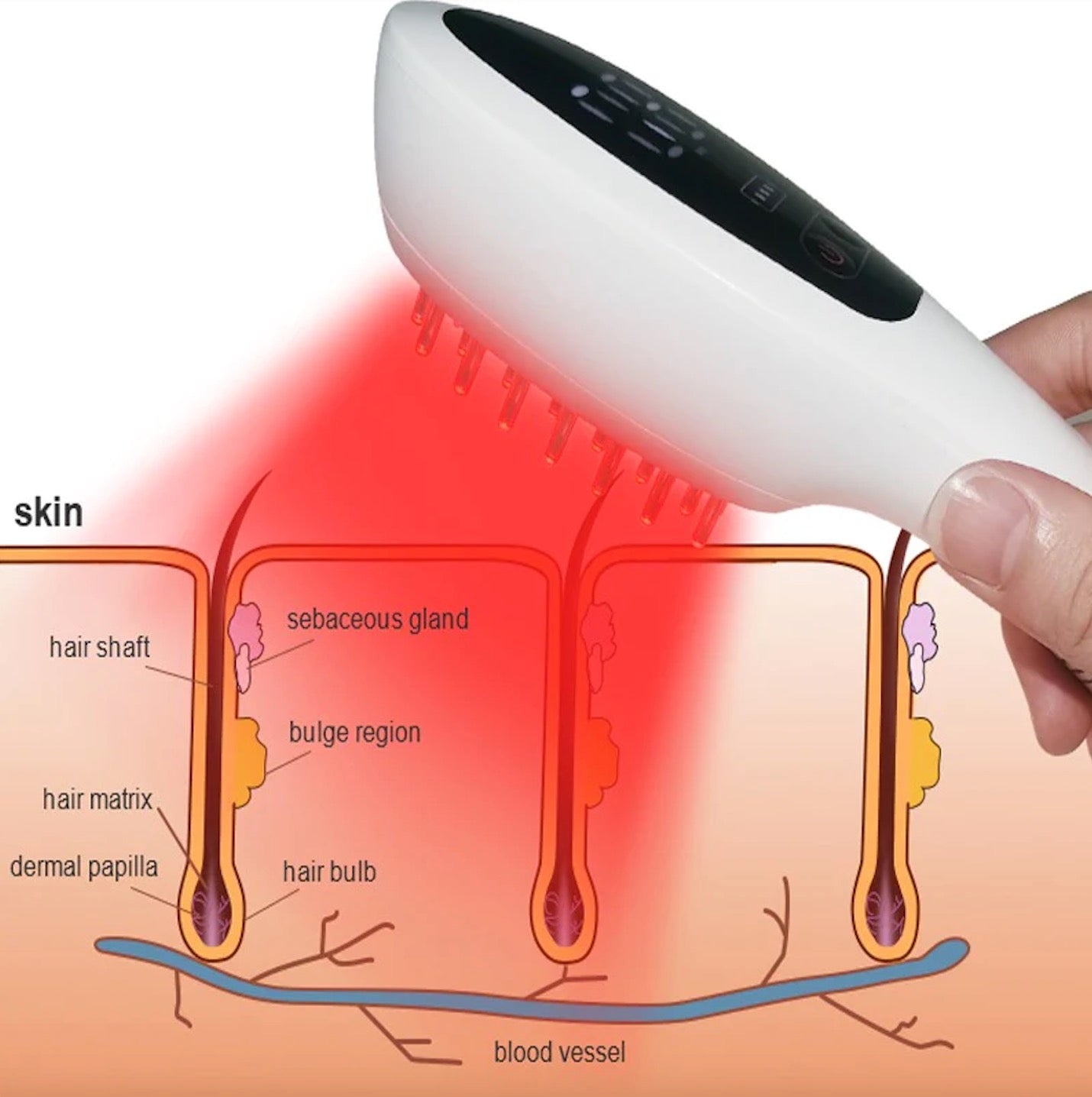
Cold laser therapy — formally called low level laser therapy (LLLT) or photobiomodulation — uses coherent, collimated, single-wavelength medical laser energy to interact with cells at a biological level. Domer cold laser therapy uses medical low level laser 650nm and 808nm to help support knee joint health and manage arthritis discomfort.
The two wavelengths do different jobs. The 808nm laser penetrates deeper into tissue and joints, reaching the synovial lining, cartilage support structures, and periarticular tissues where osteoarthritis damage occurs. The 650nm laser works nearer the surface, supporting skin-level microcirculation and superficial soft tissue. Together, research suggests these wavelengths may stimulate mitochondrial activity in cells — a process thought to support local circulation, reduce oxidative stress, and help modulate the inflammatory response in chronically affected joints.
A commonly cited mechanism is the activation of cytochrome c oxidase in the mitochondrial respiratory chain, which may increase ATP production in stressed or damaged cells. Studies have explored this pathway in the context of musculoskeletal conditions including osteoarthritis. A 2016 systematic review published in *Lasers in Medical Science* (Huang et al.) examined LLLT for knee osteoarthritis and found that multiple trials reported reductions in pain scores and improvements in functional outcomes compared to sham treatment, though the authors noted variability across study protocols.
Typical at-home LLLT sessions for knee arthritis are 2–3 minutes per treatment zone, once or twice daily, and many users report noticing a difference within 2–4 weeks of consistent use.

How TENS Works for Knee Arthritis?
TENS units deliver low-voltage electrical pulses through adhesive electrode pads placed on the skin around the painful joint. The current stimulates sensory nerve fibers, and the prevailing theory — the "gate control" model — holds that this sensory stimulation competes with and partially blocks pain signals traveling to the brain.
TENS does not deliver energy into joint tissue in the way that laser does. It works primarily at the nerve level, not the cellular or tissue level. This means TENS can be effective for short-term symptomatic relief — many users notice reduced pain intensity during and immediately after a session — but it does not directly address the underlying inflammatory or tissue changes associated with osteoarthritis.
Basic TENS units are widely available for $30–$150, making them one of the least expensive pain management tools available over the counter. Sessions typically last 20–30 minutes, and the devices are straightforward to use at home.
Cold Laser vs TENS for Knee Arthritis: Side-by-Side Comparison
The table below summarizes the key differences to help you decide which approach — or combination — makes the most sense for your situation.
| Feature | Cold Laser Therapy (LLLT) | TENS |
|---|---|---|
| Mechanism | Medical low-level laser stimulates cellular energy through photobiomodulation | Electrical pulses block pain signals through nerve stimulation |
| Target depth | 808 nm reaches deeper joint tissue; 650 nm works closer to the surface | Primarily targets superficial nerve fibers |
| Primary benefit | May help support tissue health, reduce inflammation, and improve mobility | Provides fast-acting, short-term interruption of pain signals |
| Typical session length | 10–30 minutes per zone | 20–30 minutes |
| At-home device cost | From $399 (Domer 1300 mW Class 3B handheld) | $50–$500 |
| Clinic equivalent cost | $50–$150 per professional session | $40–$100 per session |
| Addresses underlying tissue? | Research suggests yes, at the cellular level | No — symptom management only |
| Ease of use at home | Handheld, no adhesives, 10-30 minute sessions | Requires electrode pad placement and longer sessions |
| Can they be combined? | Yes — many users use both | Yes — complementary approaches |
Cost Comparison: At-Home Devices vs Clinic Sessions
One of the strongest arguments for either at-home device is the long-term cost savings relative to repeated clinic visits. Professional cold laser therapy sessions at a physical therapy or chiropractic clinic typically run $50–$150 per visit, and a standard course of care may involve 6–12 sessions — a total outlay of $300–$1,800 before any ongoing maintenance sessions.
The Domer 1300mW handheld cold laser at $399 pays for itself within 3–8 clinic visits, and can then be used indefinitely at home on your schedule. For households managing ongoing chronic knee arthritis — where pain management is not a one-time fix but a long-term commitment — the math strongly favors a home device.
TENS units are less expensive upfront, but they address a narrower problem. Many users who start with TENS and find it insufficient for ongoing arthritis management eventually add LLLT as the next step.
Safety Checklist: Using Cold Laser or TENS at Home for Knee Arthritis
Before starting either therapy at home, review this checklist to ensure safe use.
Cold Laser Therapy (LLLT) Safety:
- Never aim the laser beam directly into eyes; always use the protective eyewear included with your device
- Do not apply over any area of suspected malignancy or active cancer
- Avoid use directly over the thyroid gland or on the abdomen during pregnancy
- Do not treat over open wounds, infected tissue, or active skin conditions without professional guidance
- Start with the manufacturer-recommended session duration (2–3 minutes per zone) and do not exceed it in early weeks
- Class 3B devices like the Domer 1300mW handheld are designed for home use at safe power levels — follow all labeling instructions
- Consult your physician or physical therapist before beginning LLLT if you are on photosensitizing medications
TENS Safety:
- Do not place electrode pads over the front of the throat, on the chest near a pacemaker, or directly over broken skin
- Avoid use during pregnancy without medical guidance
- Do not use while driving, operating machinery, or sleeping
- Begin at the lowest intensity setting and increase gradually — sensation should be tingling, never sharp or painful
- Consult a healthcare provider if you have epilepsy, a cardiac condition, or implanted electronic devices
For Both:
- Neither device replaces a diagnosis from a licensed healthcare professional
- If knee pain worsens, is accompanied by significant swelling, redness, or fever, seek medical evaluation promptly
- Consistent use over several weeks yields better results than sporadic sessions
What Home Users Are Saying
One verified buyer managing knee arthritis shared this experience after adding cold laser therapy to their routine:
*"I use it while he's resting and he just thinks I'm giving him massages. Afterwards he was moving around easier & appeared more upbeat. I decided to try it on my low back & I feel like it helped me too. I'm convinced so far."*
— Verified buyer, reviewing the Domer 1300mW handheld cold laser
This reflects one customer's experience — results vary. Cold laser therapy is not a cure for arthritis and individual outcomes depend on condition severity, consistency of use, and overall care plan.
Which Should You Choose?
Here is a practical way to think about the decision:
Choose cold laser therapy if you want a technology that may support the tissue and cellular environment within the joint itself, you prefer short 2–3 minute sessions, and you are looking for a long-term home investment that may reduce reliance on clinic visits. Domer cold laser therapy uses medical low level laser 650nm and 808nm to help support joint and tissue health — the 808nm wavelength penetrates deep enough to reach the structures most affected by knee osteoarthritis.
Choose TENS if your primary need is fast, short-term relief on high-pain days, your budget is limited, or you want a complementary tool to use alongside other therapies.
Consider using both if you want layered coverage — TENS for immediate relief during a flare-up, and LLLT as your ongoing supportive therapy between flares. Many home users managing chronic knee arthritis find this combination practical and cost-effective.
The Domer 1300mW handheld Class 3B cold laser is priced at $399 and is backed by a 30-day return policy, so you can try it at home without financial risk. If it isn't the right fit for your knee arthritis management plan, you can return it within 30 days.
FAQ
Cold laser therapy (LLLT) and TENS work through different mechanisms, so "better" depends on your goal. Cold laser therapy uses medical low level laser 650nm and 808nm to help support tissue health and cellular repair at the joint level, which may address more of the underlying biology of osteoarthritis. TENS is effective for short-term pain signal interruption. Many users with chronic knee arthritis benefit from combining both approaches as part of a broader care plan.
Can I use cold laser therapy on my knee at home safely?
Yes. Class 3B devices like the Domer 1300mW handheld cold laser are designed for safe home use. The key safety rules are to always wear protective eyewear, never aim the beam at eyes, follow the recommended 2–3 minute per zone session duration, and avoid treating over any area of suspected malignancy. Consult your physician before beginning if you take photosensitizing medications or have an active medical condition affecting the knee.
Research suggests that consistent use over 2–4 weeks is typically when users begin to notice meaningful changes in comfort and mobility. Some users report improvement sooner. Because osteoarthritis involves chronic tissue changes, LLLT is best approached as an ongoing supportive therapy rather than a short course — similar to how physical exercise benefits joint health cumulatively over time.
The Domer 1300mW handheld Class 3B cold laser is priced at $399. Professional cold laser therapy clinic sessions typically cost $50–$150 per visit. A standard course of 6–12 clinic sessions may total $300–$1,800, meaning the Domer device can pay for itself within as few as 3–8 visits while allowing unlimited at-home use thereafter.
Yes — they are complementary rather than competing therapies. TENS works at the nerve level to help interrupt pain signals, while LLLT works at the cellular and tissue level to help support the joint environment. Many home users managing chronic knee arthritis use TENS on high-pain days for fast relief and incorporate cold laser therapy as their regular ongoing protocol. Always consult a healthcare professional to confirm this combination is appropriate for your specific situation.
Cold laser therapy should not be applied over any area of suspected malignancy, over active infections, or directly over implanted electronic devices. Pregnant users should avoid abdominal and certain other treatment areas. People on photosensitizing medications should consult their physician before beginning LLLT. For most otherwise healthy adults managing knee osteoarthritis, Class 3B devices used as directed are considered low-risk.
Final Thoughts
For home users managing the daily grind of knee arthritis, both cold laser therapy and TENS offer real, drug-free options that are worth understanding. TENS is accessible, inexpensive, and effective for short-term pain relief on difficult days. Cold laser therapy — specifically Domer cold laser therapy using medical low level laser 650nm and 808nm — may go a step further by supporting the cellular and tissue environment within the joint itself, which is where osteoarthritis does its damage over time.
If you are looking for a long-term home investment that may reduce your dependence on clinic visits and complements your existing care plan, the Domer 1300mW handheld Class 3B cold laser at $399 is worth serious consideration. It is compact, requires no adhesive pads or lengthy setup, and sessions take just 2–3 minutes per zone. And because Domer offers a 30-day return policy, you can try it at home entirely risk-free — if it does not meet your expectations, simply return it.
- Huang, Z., Ma, J., Chen, J., Shen, B., Pei, F., & Kraus, V. B. (2015). The effectiveness of low-level laser therapy for nonspecific chronic low back pain: a systematic review and meta-analysis. *Arthritis Research & Therapy*, 17, 360. *(Note: Verify this citation matches the knee OA systematic review referenced