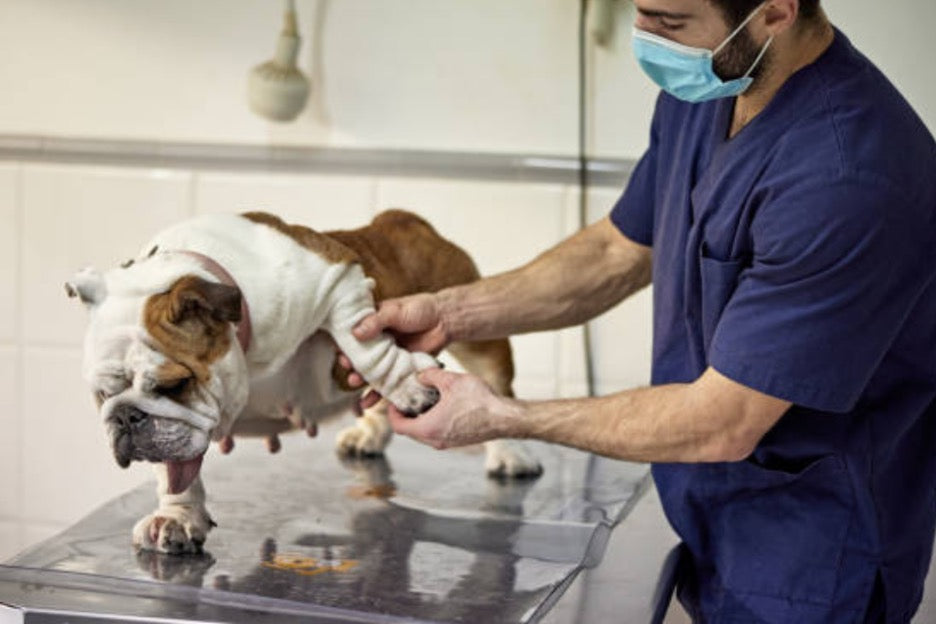

Cold laser therapy helped Summer, a calm adult cat with a front-leg nerve injury, make encouraging progress in about 4 weeks. This Domer Laser Review covers the at-home routine his rescue used, 15 to 25 minutes a day, and what his case shows about laser therapy for nerve pain and nerve injury in cats.

Summer came to Flopsy's Friends last summer with a clearly identified nerve injury in his right front leg and shoulder. He could still move the leg a little, but it was largely considered paralyzed.
After about four weeks of cold laser therapy sessions, the change was clear. Summer was moving his shoulder farther and beginning to use the leg more. The rescue team also noticed changes in how he positioned and used that leg.
Case Snapshot
- Patient: Adult male cat, in rescue care
- Injury: Nerve injury, right front leg and shoulder
- Function: Some voluntary movement; leg largely considered paralyzed
- Device: Domer 1300mW handheld cold laser (650nm + 808nm)
- Routine: Pulsed mode, 15–25 minutes, once daily
- Outcome at about 4 weeks: Greater shoulder range; more frequent use of the leg; changes in positioning and use
What's Wrong With My Cat? That Leg Still Works—Small Problem or Big One?
Summer scratches his scratcher. He climbs trees. He uses the litter box. And when his brother comes within reach, he swipes at him with the leg that was supposed to be useless.
None of this means the nerve has healed. It means Summer kept a little movement and refuses to stop using it.
This is what owners misread most often. A cat that moves confidently may not be recovering. Activity can hide how weak a leg really is.
A cat holding up a front leg does not automatically have a nerve injury, and the alternatives change the plan completely: a fracture or a dislocation, which needs imaging before anything else; a nerve root avulsion, which is a surgical and prognostic question; arthritis of the shoulder or elbow, common in older cats; and a tumor or an injection-site sarcoma. If your cat has not been examined, start there.
What a Nerve Injury Does to a Cat's Front Leg
Nerves carry the signal that tells a muscle to contract. When that signal is cut, by a bite wound, a fall, a road accident, or severe stretching of the limb, the muscle itself can be perfectly intact. What is missing is the instruction.
The limb remains attached and warm and continues to twitch, but it no longer takes a full part in gait. The paw knuckles over. The shoulder rolls forward instead of reaching. The leg swings rather than lands.
How much function returns depends on which nerve was damaged and how badly. Peripheral nerves regenerate slowly, at roughly one to three millimetres a day, and some cats recover most of a normal gait over months while others keep a permanent deficit. Both are common, which is why these injuries are managed rather than cured.
How the Cold Laser Therapy Sessions Were Done

Summer's rescue team used the Domer 1300mW Handheld Cold Laser once daily, for 15 to 25 minutes.
- Power on and set the timer.
- Choose continuous or pulsed output. They started with pulsed.
- Move the treatment head slowly over the shoulder and down the upper limb.
Setup takes about a minute.
Three details are worth copying.
The cat was set up in an elevated, semi-enclosed position, a carrier with the top off and a familiar blanket. The handler wore eye protection and never aimed the handpiece at the cat's face. And Summer got a Churu treat during every session, which held his attention far better than the laser did.
What Is Cold Laser Therapy?
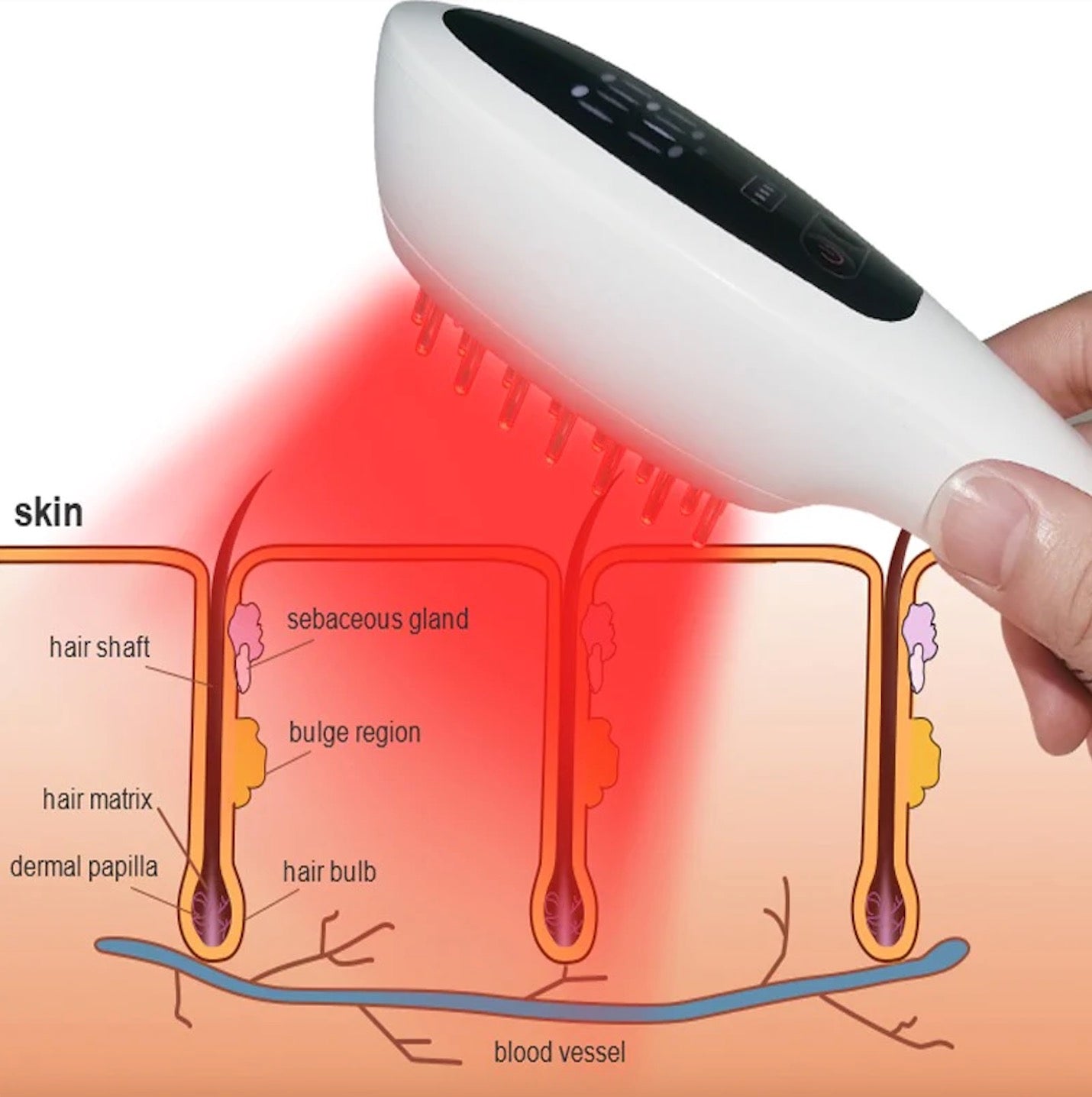
Cold laser therapy is a treatment that uses low-intensity laser light to help injured tissue heal. It is also called low level laser therapy (LLLT) or photobiomodulation laser therapy. Vets use it for pain, inflammation, and injuries that are slow to heal.
Once the laser light is absorbed by light-sensitive structures inside the cell, a series of photochemical changes begins, including increased production of ATP, the cell's energy currency.
Does Cold Laser Therapy Help Nerve Pain and Nerve Injury in Cats?
A nerve injury is not a muscle problem. The muscle remains intact but loses its motor input, so it cannot receive the signal to contract. That is why a cat with a damaged nerve can have a limb that moves in fragments and still cannot walk on it properly.
Cold laser therapy does not replace the missing signal. It is used to give the nerve and the tissue around it better conditions to heal, which is why vets include laser therapy for nerve pain and nerve damage in a wider treatment plan.
Three effects are relevant to a nerve injury:
- Increased blood flow to the injured area.
- Reduced inflammation and swelling, which is part of why cold laser therapy is used for pain.
- Stimulated nerve function. Cold laser therapy is described as speeding nerve cell processes, which may decrease the pain and numbness associated with nerve-related conditions.
Why Cold Laser Therapy at Home Matters for a Cat
Clinic cold laser therapy works. The difficulty is keeping it frequent.
A cat already coping with a disabled leg does not need a carrier, a car ride, and an unfamiliar room several times a week. A handheld device changes the logistics: the treatment area is small, a session is short, and the cat stays on its own floor.
Frequency matters because cold laser therapy does not work in a day. The effect builds up, session after session. Summer's rescue team did not expect overnight results, and they don't believe anyone should. For an injury like his, they name three things that matter:
- Consistent treatment
- Patience
- Realistic expectations
They are still treating Summer and still recording his progress, because the longer-term picture matters as much as the first changes.
Does Cold laser therapy Hurt Cats?
No. Cold laser therapy should not hurt a cat.
The treatment uses low-intensity laser light, also called cold laser, because it does not increase the temperature of body cells (which is an attribute of other lasers mainly used to destroy tumors). During a session a cat should feel no pain, no vibration, and no sound from the device.
In Summer's case, that held true: he showed no pain response, no reaction to vibration, and no startle to sound during sessions. He simply lay still.
What a cat feels during a session
Very little. There is no needle, no shock, and no heat building up on the skin. The most a cat notices is the treatment head resting near the fur and a person sitting close by. Many cats relax during laser therapy, and some doze off.
Signs your cat is uncomfortable
A cat that is bothered will tell you. Stop the session if your cat:
- Pulls the leg away or flinches when the laser reaches one spot
- Hisses, growls, or flattens the ears
- Keeps trying to get up and leave
This usually means a sore spot, or a cat that has had enough handling for the day. Try again later, and mention it to your vet if it keeps happening in the same place.
Does it hurt after the session?
It should not. A cat should move no worse after laser therapy than before it. If your cat seems more sore or more guarded after sessions, pause the routine and check with your vet.
The one strict safety rule
Laser light must never reach the eyes, the cat's or yours. This is the only part of a session that calls for real care, and it is the reason protective glasses come in the kit.
When to ask your vet first
Cold laser therapy is not right for every situation. Check with your vet before you start if your cat:
- Has a known or suspected tumor in the area
- Is pregnant
- Has not yet had the leg examined and diagnosed
Why a 1300mW Handheld Cold Laser Fits This Cat
The unit used here is the Domer 1300mW handheld cold laser, a two-wavelength (650nm + 808nm) unit built for home use on pets, horses, and people.
The two wavelengths work at two different depths. The 650nm output is absorbed close to the surface, in the skin and the tissue just beneath it; the 808nm output is the one built to reach further down, into the muscle and the tissue around the joint.
The 650nm and 808nm diodes are combined in a single head: ten 650nm diodes at 5mW each and five 808nm diodes at 250mW each, for a nominal 1300mW combined output.
Four details matter for a case like Summer's:
- It is handheld and cordless. The treatment area on a cat's shoulder is small; the device goes to the cat, not the other way round.
- The timer matches the routine. It adjusts from 15 to 60 minutes in five-minute steps.
- It offers both continuous and pulsed output. This case used the pulsed setting. The device also has three power levels, so it can be turned down for a thin area or a sensitive cat.
- It ships ready to use. Two pairs of protective glasses, an English manual, US and EU charging equipment, and PDF treatment protocols are included, with a one-year warranty and lifetime customer support.
Domer Laser Review: What the Rescue Says
The rescue reviewed the Domer Laser the way a customer would. They read the instructions, used the product properly, gave it a fair chance, and reported what they actually experienced.
Here is what they said.
Getting started was simple. They found the device easy to operate from the first session.
They saw encouraging changes early. After a handful of sessions, Summer was moving his shoulder farther and beginning to use the leg more.
They connect that progress to the laser. In their words: "we do believe the DomerLaser was helping support his progress."
They like the product itself. They describe it as straightforward to use. They find the timer convenient. And they value having both pulsed and continuous settings, because it gives them options for different uses.
They are pleased with it for Summer's needs. A handheld laser takes consistency and hands-on time. For his particular injury, they say they have been pleased with their experience.
They are hopeful. The rescue says Summer is giving them reasons to be hopeful, and that in rescue work every bit of progress is worth celebrating.
This Domer Laser review is not finished. The rescue will keep documenting Summer and plans to share his longer-term results, how the laser works for other animals, how it holds up in daily use, and their experience with our company and customer service.
Cold Laser Therapy Works When It Is Easy to Repeat
Summer's case is not a story about a miracle. It is a story about a cat who never accepted being disabled.
It is also a story about making cold laser therapy at home easy to repeat: a small treatment area, short sessions, and a device simple enough to pick up again the next day.
Disclosure: the laser was donated to the rescue as a returned product for an honest review. They were not paid for a positive endorsement. Individual results may vary. Have your cat examined by a vet before starting any treatment.