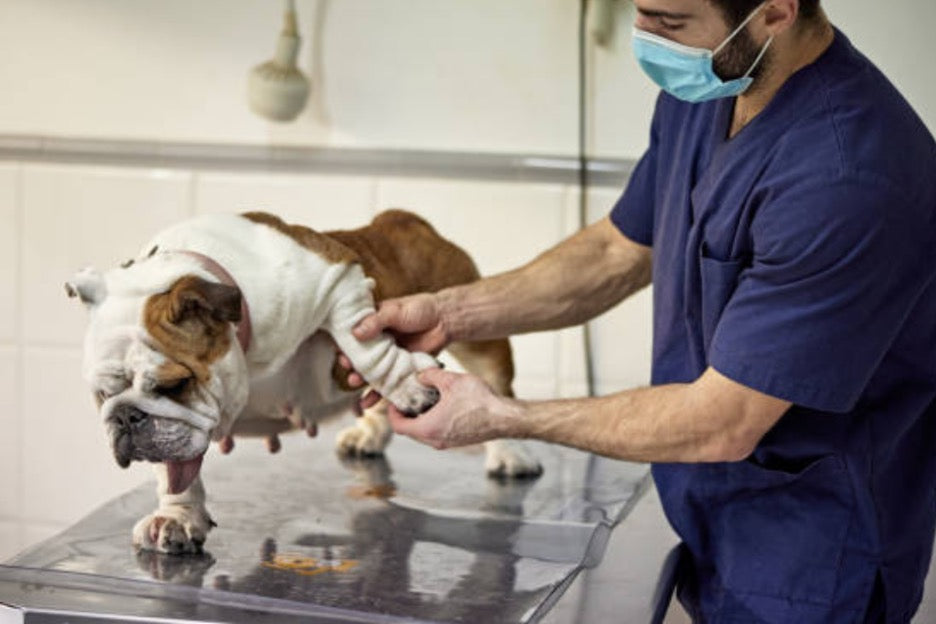

Cold laser therapy, or photobiomodulation (PBM), has transitioned from specialized veterinary clinics and high-end sports medicine facilities straight into the hands of home users. For those navigating chronic, debilitating pain, the primary barrier has always been access and cost. Clinical treatments regularly command upwards of $75 to $150 per session, requiring sustained protocols that quickly accumulate into thousands of dollars. The rise of medical-grade home devices like the Domer Laser series aims to eliminate this barrier.
But does a home-use cold laser device deliver clinical-grade efficacy? To answer this objectively, we synthesized a broad pool of verified patient feedback, cross-referencing user-reported data with known photobiomodulation mechanisms. The results span across multigenerational chronic conditions, acute injuries, specialized systemic relief, and even cosmetic applications. Below is an exhaustive, real-world analysis of how the Domer Laser performs where it matters most: patient recovery.
1. Reversing Decades of Pain: Elderly Patient Case Studies
One of the most compelling trends emerging from long-term user data is the response rate among senior demographics dealing with deep-seated, systemic issues. In a standout case from our verified user reviews, an 81-year-old patient with a staggering 64-year history of chronic illness reported immediate, visible relief upon initiating treatment.
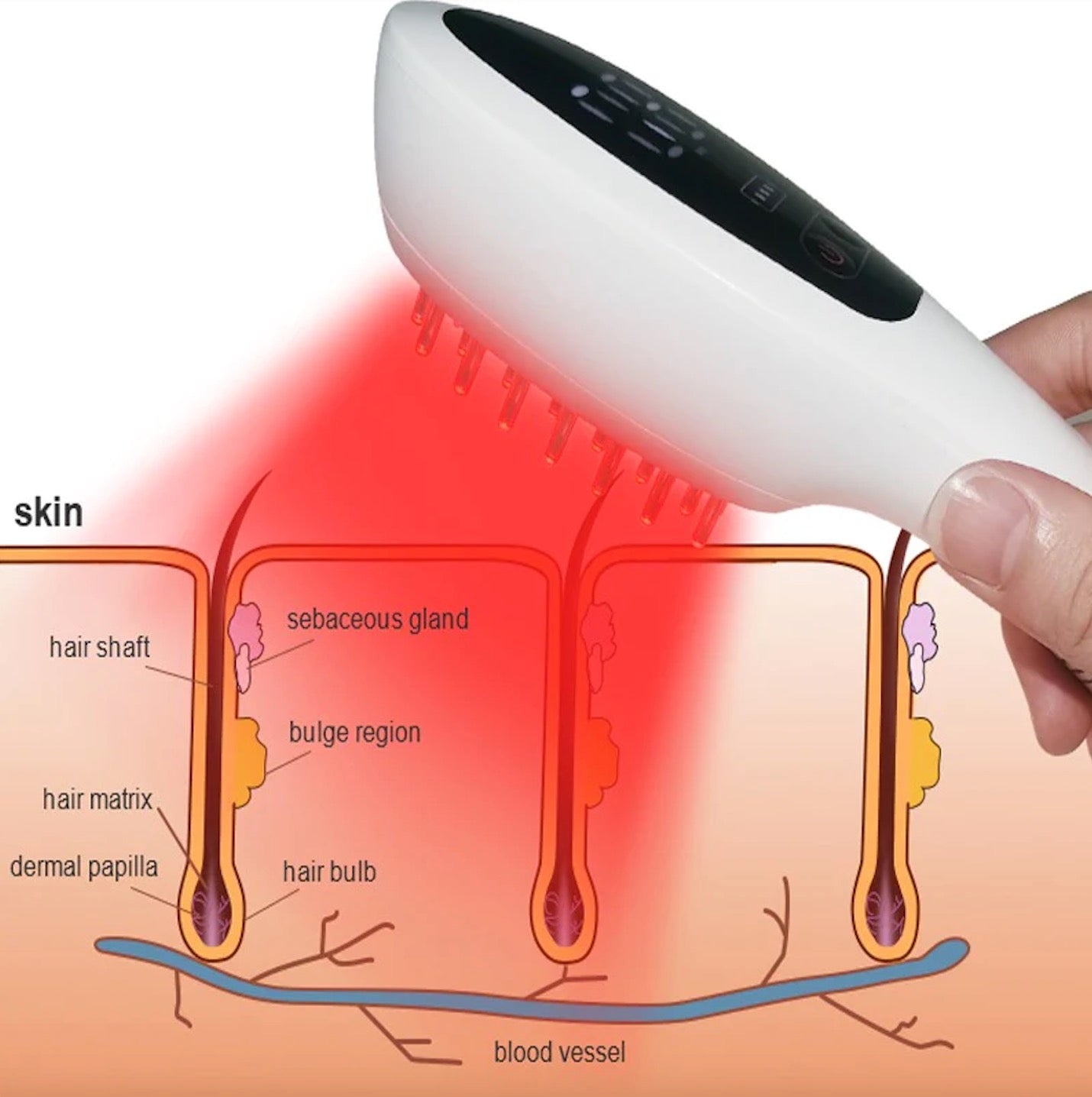
From a biological standpoint, aging tissue typically exhibits diminished mitochondrial activity, slower cellular turnover, and prolonged inflammatory cycles. When laser light is delivered at targeted wavelengths (typically 650nm for superficial tissue and 808nm for deep tissue penetration), it interacts directly with cytochrome c oxidase inside the mitochondria. This interaction accelerates the synthesis of Adenosine Triphosphate (ATP), driving rapid cellular repair even in tissues that have been chronically inflamed or stagnant for decades. For senior users, this sudden surge in cellular energy translates into what many describe as "instant results" or "magic," though it is purely grounded in photobiology.
2. Severe Nerve Compression & Neuropathy Relief
Nerve pain and structural compression—such as cervical spondylosis, sciatica, and herniated discs—are notoriously difficult to manage without heavy pharmaceutical intervention or invasive surgery. Home users managing severe cervical nerve compression have documented extraordinary turnarounds using structured protocols.
|
"A patient suffering from severe cervical spondylosis with intense nerve compression committed to a protocol of 2 treatments per day. Within just one week, all associated neurological and pain symptoms had completely resolved." |
How does this happen so quickly? Nerve tissue responds exceptionally well to the increased blood perfusion and anti-inflammatory effects of laser therapy. The Domer Laser's deep-penetrating photons help down-regulate pro-inflammatory cytokines while stimulating the release of nitric oxide (NO). This localized vasodilation clears out metabolic waste and reduces the physical edema (swelling) that compresses nerve roots. By targeting a fixed treatment area—typically a standard 5 cm diameter zone centered over the affected vertebrae—users maximize energy density, delivering targeted relief directly to the nerve sheath.
3. Expanding Horizons: Systemic Lymphatic & Internal Organ Responses
While most home users invest in low-level laser therapy (LLLT) strictly for musculoskeletal complaints, aggregate feedback highlights significant benefits for systemic, complex pathologies.
Chronic Lymphocytic Leukemia (CLL) Management
An unexpected but clinically fascinating pattern noted by specific users involves Chronic Lymphocytic Leukemia (CLL) management, where individuals reported a measurable reduction in swollen lymph nodes. While cold laser is not a cure for leukemia, its profound impact on the lymphatic system is well-documented. Photobiomodulation stimulates lymphatic drainage, enhances local microcirculation, and helps normalize immune cell signaling. When applied gently over superficial lymph node chains, it accelerates the clearance of congested fluid and cellular debris, offering marked structural comfort to patients experiencing chronic swelling.
Bronchitis and Deep Pulmonary Relief
Similarly, patients dealing with respiratory conditions such as chronic bronchitis have reported high efficacy when treating the chest, lungs, and ribcage areas. By applying the laser over the intercostal spaces, photons penetrate the superficial muscle layers to reach the underlying pleura and bronchial pathways. This helps alleviate the severe rib pain and muscular soreness associated with chronic coughing, while simultaneously mitigating localized pulmonary inflammation to ease breathing dynamics.
Acute Injury Recovery
Conditions: Knee sprains, severe stubbed/jammed toes, muscle tears.
Timeline: Accelerated healing and full mobility restored after just a few sessions.
4. Acute Traumas: Turning Weeks of Healing into Days
Beyond chronic management, the Domer Laser serves as a critical asset for acute household injuries. Users frequently report using the device for sudden knee sprains, jammed or stubbed toes, and severe bruising. In these scenarios, the consensus timeline shifts from weeks of limping to complete healing after just a few targeted sessions.
In acute injuries, the immediate goal is to arrest the swelling and prevent secondary tissue damage caused by hypoxia (lack of oxygen). Applying cold laser therapy within the first 24 to 48 hours of an injury accelerates the inflammatory phase, moving the tissue rapidly into the proliferative (repair) phase. By keeping a fixed 5 cm treatment area directly over the trauma site, the energy is concentrated enough to immediately trigger macrophage activity and reduce swelling, allowing patients to regain mobility almost instantly.
5. The Financial Reality: Clinical vs. Home Treatment Economics
For many buyers, the decision to purchase a home cold laser device comes down to a clear cost-benefit analysis. A single session at a chiropractic or sports medicine clinic typically costs around $75 per visit. Because photobiomodulation relies on cumulative dosage—meaning multiple sessions per week are required to achieve lasting physiological changes—a standard multi-week clinical protocol can easily cost over $1,000.
User feedback heavily emphasizes the immense financial value of owning a home unit. For the price of a handful of clinical visits, a home device provides unlimited, multi-daily treatments for the entire family. The economic utility is further proven by an exceptionally high repurchase and referral rate. It is common to see individual households purchasing a second unit for family members, or wholesale buyers ordering multiple units to supply local networks, confirming that the hardware consistently satisfies long-term expectations.
The Verdict: Is the Domer Laser Worth It?
Analyzing real-world user data reveals that the Domer Laser successfully bridges the gap between clinical capability and home convenience. It is not merely a tool for minor muscle aches; its impact spans from reversing structural nerve pain in severe cervical spondylosis to providing systemic comfort for complex lymphatic and respiratory conditions.
By delivering high-output, targeted wavelengths across a reliable treatment surface, it provides a non-invasive, drug-free alternative that pays for itself within weeks. For individuals looking to take control of their pain management protocol without the ongoing financial burden of clinical visits, the data indicates that this device is a highly effective, incredibly valuable investment.